%3B)

Your mouth might be the gateway to your brain’s health in ways scientists are only beginning to understand. Recent groundbreaking research has uncovered a chilling connection: the bacteria that cause gum disease may also play a role in the development of Alzheimer’s disease. With over 6 million Americans living with Alzheimer’s and nearly half of all adults over 30 showing signs of gum disease, this connection isn’t just fascinating science – it’s a wake-up call that could change how we think about preventing cognitive decline.
The Bacterial Highway: How Oral Bacteria Reaches Your Brain
The idea that bacteria from your mouth could influence your brain sounds like science fiction, but researchers have discovered multiple pathways connecting oral health to neurological function. The most striking evidence comes from studies that have found oral bacteria, particularly Porphyromonas gingivalis, actually living in the brain tissue of Alzheimer’s patients.
These harmful bacteria don’t stay confined to your gums. They can enter your bloodstream through inflamed gum tissue, travel through your circulatory system, and cross the blood-brain barrier. Once in the brain, they trigger inflammatory responses that may contribute to the formation of amyloid plaques – the hallmark protein clumps found in Alzheimer’s disease.
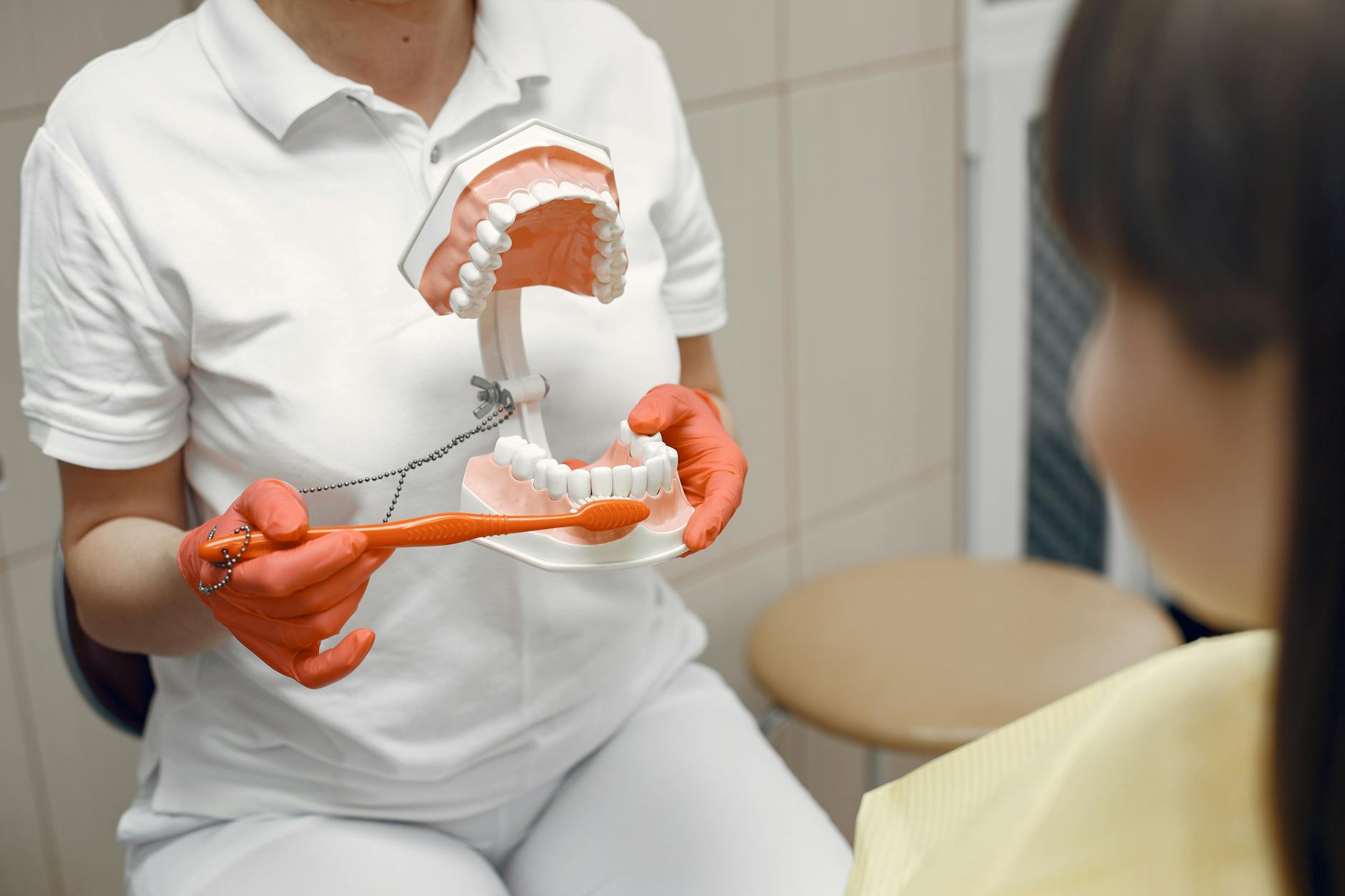
According to the Mayo Clinic, periodontal disease affects the tissues that support your teeth, and when left untreated, it creates chronic inflammation that extends far beyond your mouth. This systemic inflammation is increasingly recognized as a key factor in various health conditions, including cardiovascular disease, diabetes, and now, potentially, Alzheimer’s disease.
What the Latest Research Reveals
The Cortexyme Studies
One of the most compelling pieces of evidence comes from research conducted by Cortexyme, a pharmaceutical company investigating Alzheimer’s treatments. Their 2019 study, published in Science Advances, found that P. gingivalis bacteria were present in the brains of Alzheimer’s patients, along with toxic enzymes called gingipains that these bacteria produce.
Even more remarkably, when researchers infected mice with P. gingivalis, the animals developed brain infections, amyloid plaques, and cognitive decline similar to what’s seen in Alzheimer’s disease. This suggests that oral bacteria might not just be a consequence of Alzheimer’s but could actually be a contributing cause.
The Inflammatory Connection
Beyond direct bacterial invasion, gum disease creates chronic inflammation throughout the body. The American Dental Association emphasizes that this inflammatory response can affect multiple organ systems, including the brain.
Chronic inflammation triggers the release of inflammatory molecules called cytokines, which can damage brain cells and interfere with normal neural function. This inflammatory cascade may accelerate the development of neurodegenerative diseases and contribute to cognitive decline.
The Two-Way Street: How Alzheimer’s Affects Oral Health
The relationship between gum disease and Alzheimer’s isn’t one-directional. As cognitive function declines, individuals with Alzheimer’s often struggle to maintain proper oral hygiene, creating a vicious cycle where poor oral health and cognitive decline reinforce each other.

Caregivers and family members in the Overland Park and Johnson County area often notice that their loved ones with dementia forget to brush their teeth, have difficulty using dental tools, or resist oral care routines. This decline in oral hygiene can accelerate periodontal disease, potentially worsening cognitive symptoms and overall health.
Risk Factors and Warning Signs
Identifying Periodontal Disease Early
Recognizing the early signs of gum disease is crucial for both oral and potentially brain health. Key warning signs include:
- Red, swollen, or tender gums
- Bleeding during brushing or flossing
- Persistent bad breath
- Receding gums or teeth appearing longer
- Loose or shifting teeth
- Pain when chewing
Additional Risk Factors
Several factors increase your risk of developing both gum disease and potentially Alzheimer’s disease:
- Age (risk increases after 65)
- Smoking or tobacco use
- Diabetes
- Poor nutrition
- Stress
- Genetic predisposition
- Certain medications that reduce saliva flow
Prevention Strategies: Protecting Your Brain Through Oral Health
Daily Oral Hygiene Excellence
The foundation of prevention starts with meticulous daily oral care. This includes brushing twice daily with fluoride toothpaste, flossing regularly, and using an antimicrobial mouthwash to reduce harmful bacteria levels.
However, technique matters as much as frequency. Many patients in Kansas City and surrounding areas think they’re brushing effectively but miss crucial areas where bacteria accumulate. Professional guidance on proper brushing and flossing techniques can make a significant difference in preventing periodontal disease.

Professional Dental Care
Regular professional cleanings and examinations are essential for detecting and treating gum disease before it progresses to more severe stages. Professional cleanings remove bacterial biofilms and tartar that home care cannot eliminate.
For residents of Overland Park and Johnson County, comprehensive dental services should include regular periodontal assessments, especially for patients with risk factors for gum disease or family history of Alzheimer’s disease.
Lifestyle Modifications
Beyond oral hygiene, several lifestyle changes can reduce your risk of both gum disease and cognitive decline:
- Maintaining a balanced diet rich in antioxidants and omega-3 fatty acids
- Regular exercise to improve circulation and reduce inflammation
- Avoiding tobacco and limiting alcohol consumption
- Managing stress through relaxation techniques
- Getting adequate sleep to support immune function
Treatment Options for Existing Gum Disease
Non-Surgical Treatments
Early-stage gum disease (gingivitis) can often be reversed with improved oral hygiene and professional treatments such as scaling and root planing. These deep-cleaning procedures remove bacteria and toxins from below the gum line, allowing tissues to heal and reattach to the teeth.
Advanced Treatments
More severe periodontal disease may require advanced treatments including antibiotic therapy, laser treatment, or surgical intervention. The goal is to eliminate bacterial infection and prevent further tissue destruction that could contribute to systemic inflammation.
The Role of Regular Monitoring
Given the potential connection between oral bacteria and brain health, regular dental monitoring becomes even more critical as we age. This is particularly important for individuals with family history of Alzheimer’s disease or existing risk factors for cognitive decline.
Modern dental technology allows for more precise detection of bacterial levels and inflammatory markers in the mouth, enabling earlier intervention and more targeted treatment approaches.
Hope for the Future
While the connection between gum disease and Alzheimer’s disease is concerning, it also offers hope. Unlike genetic factors that we cannot control, oral health is something we can actively manage and improve throughout our lives.
Love these tips?
Make Love to Smile a Preferred Source on Google
Tap the button below and select Love to Smile so our latest dental health articles show up first in your Google search results.