%3B)
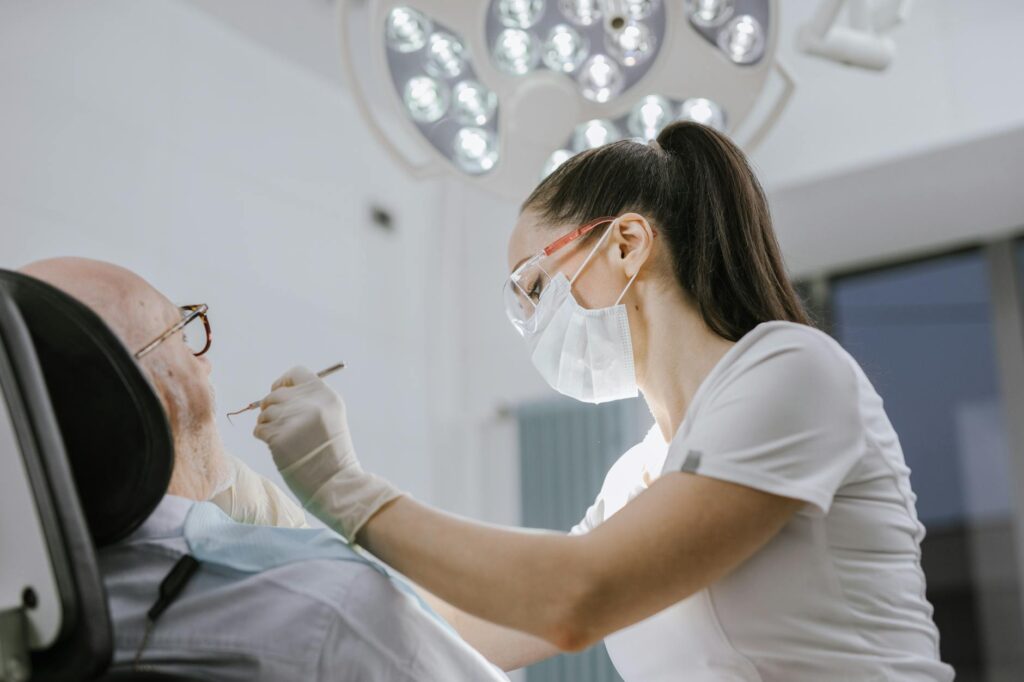
Nearly 35% of American adults admit they only visit the dentist when something hurts or feels wrong. If you’re nodding along, thinking “why fix what isn’t broken?”, you’re not alone. This mindset seems logical on the surface, but it’s actually costing people thousands of dollars and unnecessary pain every year. The truth is, by the time dental problems hurt, they’ve often progressed far beyond simple, affordable fixes.
The Silent Nature of Dental Disease
Your mouth is remarkably good at hiding problems until they become serious. Unlike a cut on your finger or a twisted ankle, tooth decay and gum disease often develop without any noticeable symptoms in their early stages. This silent progression is exactly why dental professionals recommend preventive visits every six months.
Consider this: a small cavity that could be filled with a simple, painless procedure during a routine visit can eventually require a root canal, crown, or even tooth extraction if left untreated. The difference in cost? A filling might cost $150-300, while a root canal and crown can easily exceed $2,000.
What Happens During Those “Boring” Six-Month Visits
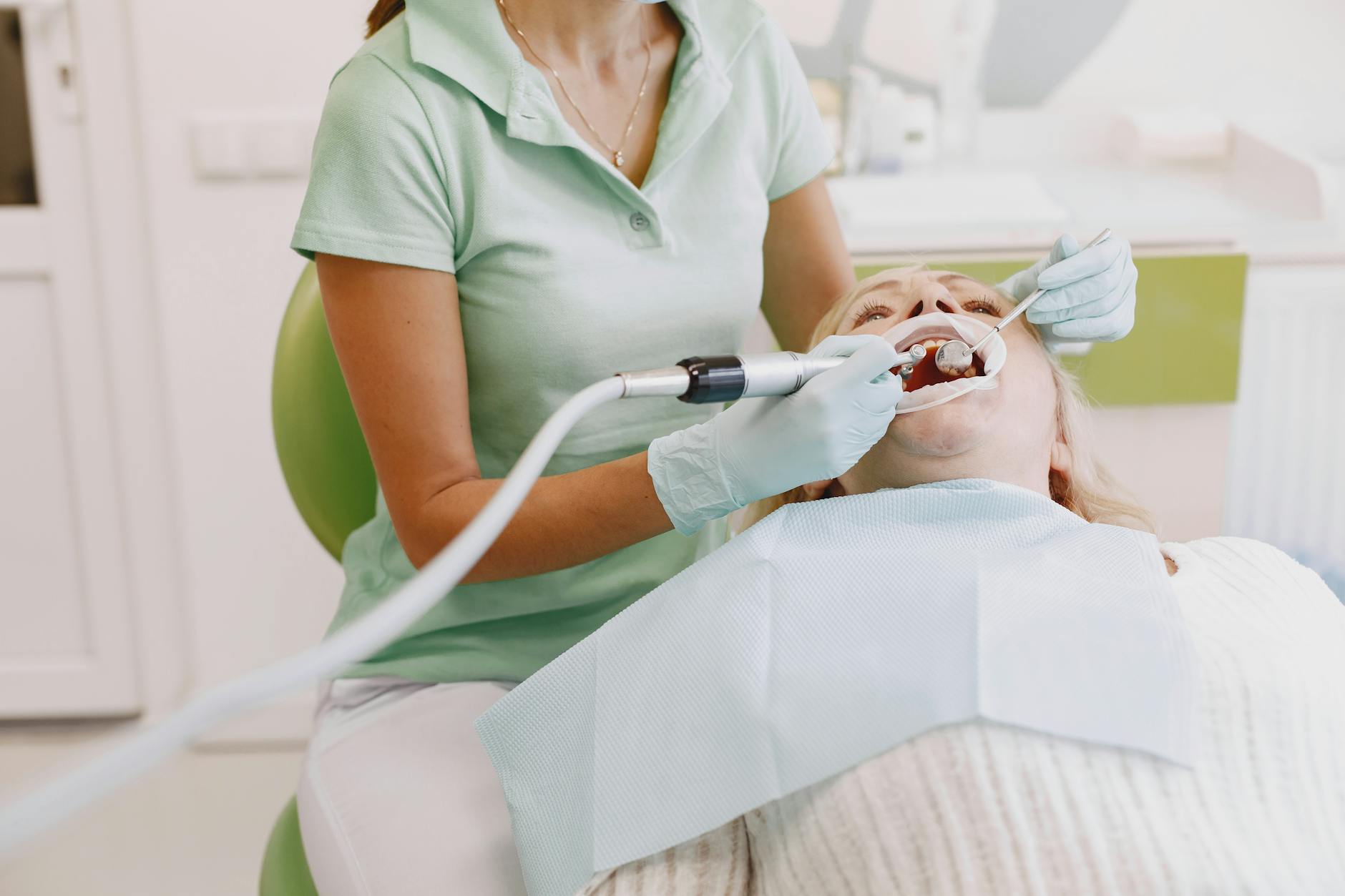
Many patients in Overland Park and throughout Johnson County think routine dental visits are just about getting their teeth cleaned. While professional cleaning is certainly important, these appointments accomplish much more than removing plaque and polishing your teeth.
During your visit, Dr. Esther Pedersen and her team conduct a comprehensive examination that includes:
- Early detection of cavities, often before they’re visible to the naked eye
- Gum health assessment to catch periodontal disease in its earliest stages
- Oral cancer screening, which affects over 54,000 Americans annually
- Bite analysis to identify issues that could lead to jaw problems or tooth wear
- Assessment of existing dental work for signs of wear or failure
The Economics of Prevention vs. Treatment
Let’s talk numbers, because the financial argument for preventive care is compelling. Research consistently shows that preventive dental care saves money in the long run, often by dramatic margins.
Consider Sarah, a working mom from Overland Park who skipped dental visits for three years because her teeth “felt fine.” When a tooth finally started hurting, what could have been a simple filling had progressed to need a root canal and crown. Her total cost jumped from under $300 to over $2,500.
Breaking Down the Real Costs
The average cost of preventive care (two cleanings and exams per year) typically ranges from $300-600, depending on your location and insurance coverage. Compare this to common treatment costs:
- Root canal therapy: $1,200-1,800
- Dental crown: $800-1,500
- Tooth extraction and implant: $3,000-5,000
- Periodontal treatment: $500-10,000 depending on severity
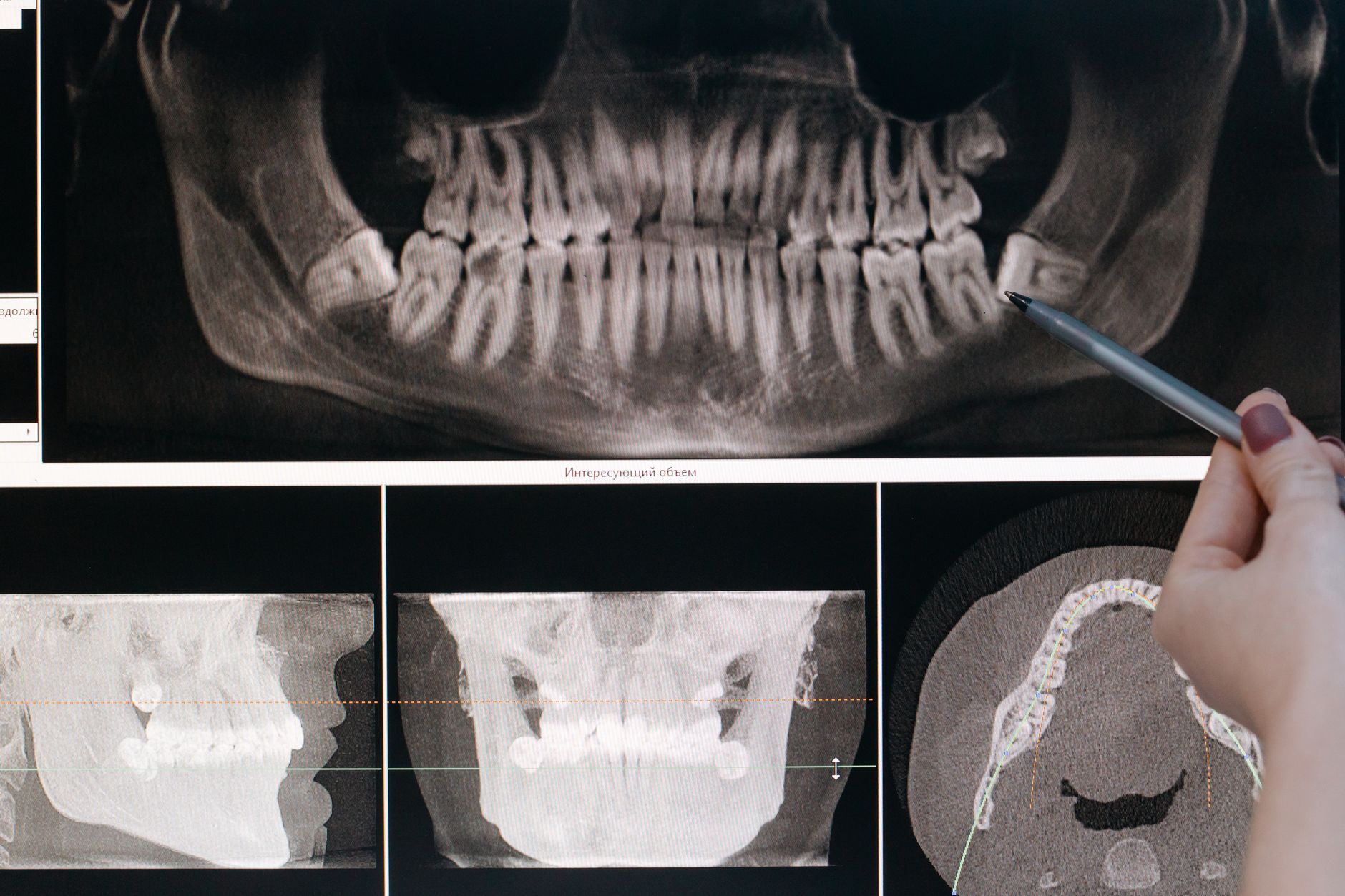
When you factor in the pain, time off work, and multiple appointments required for major dental procedures, the value proposition of preventive care becomes even clearer.
Beyond Cavities: What Your Dentist is Really Looking For
While cavity prevention often gets the spotlight, your six-month dental visits serve as a comprehensive health screening. Dr. Pedersen, who holds a Master of the Academy of General Dentistry (MAGD), uses these appointments to monitor various aspects of your oral and overall health.
Early Warning Signs Only Professionals Catch
Dental professionals are trained to spot subtle changes that patients typically miss. These might include:
- Microscopic changes in tissue that could indicate oral cancer
- Early signs of autoimmune conditions that first appear in the mouth
- Bone loss around teeth that signals advancing gum disease
- Wear patterns that suggest sleep disorders like sleep apnea
- Signs of nutritional deficiencies or diabetes
Your mouth truly is a window to your overall health, and regular dental visits can sometimes catch serious health issues before they become life-threatening.
The Overland Park Advantage: Local Care That Knows You
Choosing a local dental practice like Love to Smile in Overland Park offers unique advantages for maintaining your preventive care routine. When your dentist knows your history, lifestyle, and specific risk factors, they can provide more personalized and effective preventive care.
Dr. Pedersen has been serving families throughout Johnson County and the greater Kansas City area, building long-term relationships that allow for truly personalized care. This continuity of care means potentially serious issues are caught earlier because your dental team knows what’s normal for your mouth.
Technology That Makes a Difference
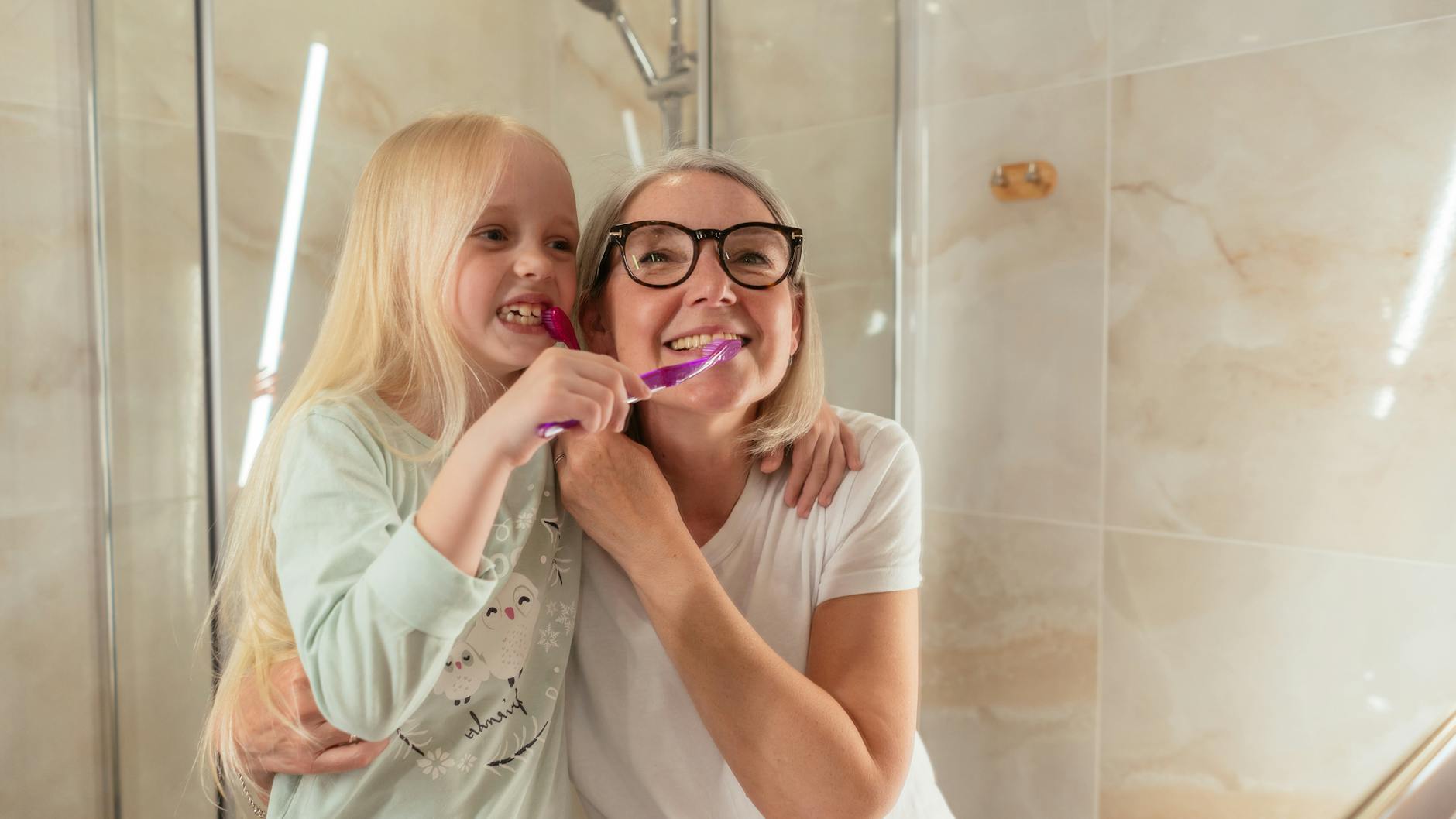
Modern dental technology has made preventive care more effective and comfortable than ever. Digital X-rays can detect problems at a microscopic level, while advanced cleaning techniques remove harmful bacteria more thoroughly than traditional methods.
At Love to Smile, state-of-the-art equipment helps ensure that your preventive visits are both comprehensive and comfortable, making it easier to maintain that crucial six-month schedule.
Overcoming Common Barriers to Regular Dental Care
Understanding why people skip dental visits helps address the real barriers that keep patients away from preventive care. The most common reasons include:
“I Don’t Have Time”
A routine cleaning and exam typically takes 60-90 minutes, twice a year. Compare this to the multiple appointments, time off work, and recovery time required for major dental procedures, and preventive care is actually the time-saving option.
“My Insurance Doesn’t Cover Much”
Most dental insurance plans cover preventive care at 80-100%, recognizing the cost-effectiveness of prevention. Even without insurance, the cost of preventive care is a fraction of what treatment costs.
“I’m Too Anxious”
Dental anxiety is real and understandable. However, avoiding care until problems become painful creates a cycle where dental experiences become more uncomfortable and anxiety-provoking. Regular preventive visits are typically comfortable and help maintain positive associations with dental care.
Making Prevention a Priority in Your Life
Incorporating regular dental visits into your healthcare routine requires the same mindset shift as any other preventive health measure. You wouldn’t skip annual physicals or ignore changing your car’s oil, and dental care deserves the same consistent attention.
Love these tips?
Make Love to Smile a Preferred Source on Google
Tap the button below and select Love to Smile so our latest dental health articles show up first in your Google search results.