%3B)
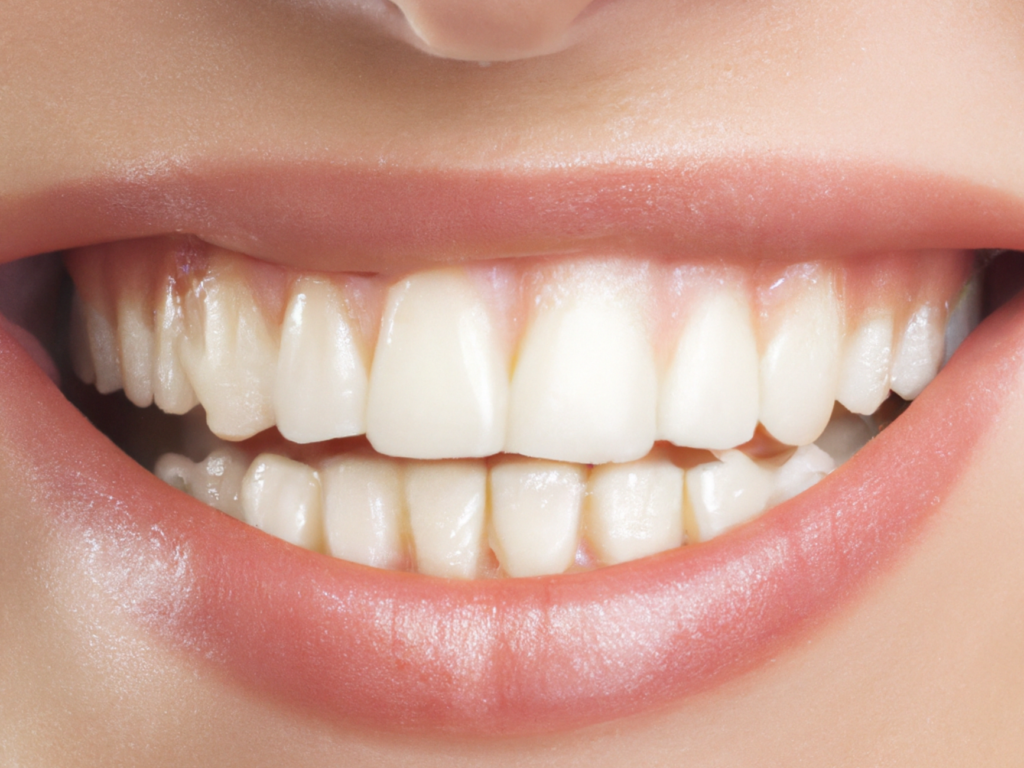
Americans spend over $1.4 billion annually on teeth whitening products, yet most people have no idea which methods actually deliver results and which are essentially expensive placebos. After years of observing patient results and analyzing clinical research, I’m breaking down every popular whitening method with brutal honesty. Spoiler alert: some of your favorite TikTok trends didn’t make it to the winner’s circle.
The Great Whitening Scam: Methods That Don’t Work
Charcoal Toothpaste (Ranking: 1/10)
Let’s start with the biggest disappointment. Despite what influencers claim, activated charcoal toothpaste is not only ineffective but potentially harmful. The American Dental Association has found no evidence that charcoal toothpaste is safe or effective for teeth whitening.
Here’s what actually happens: charcoal is abrasive enough to remove surface stains temporarily, creating an illusion of whiter teeth. However, this same abrasiveness wears down your enamel over time, making teeth more susceptible to staining and decay. In Overland Park, I’ve seen patients come in with severe enamel erosion from regular charcoal toothpaste use.

Oil Pulling (Ranking: 2/10)
Swishing coconut oil in your mouth for 20 minutes might have some oral health benefits, but teeth whitening isn’t one of them. While oil pulling can reduce bacteria and improve gum health, there’s no scientific evidence supporting its whitening claims. The Mayo Clinic confirms that oil pulling lacks substantial evidence for whitening effects.
The minimal color improvement some people notice comes from removing surface plaque, not actual whitening. You’d get better results from regular brushing and flossing.
The Middle Ground: Somewhat Effective Options
Whitening Pens (Ranking: 4/10)
Whitening pens occupy an awkward middle ground between convenience and effectiveness. These portable devices contain low concentrations of hydrogen peroxide or carbamide peroxide, which can provide mild whitening effects.
The problems? The gel often doesn’t stay in contact with teeth long enough to work effectively. Saliva quickly dilutes the active ingredients, and the application is uneven. For Johnson County residents looking for quick touch-ups before events, pens might provide minimal improvement, but don’t expect dramatic results.
Whitening Strips (Ranking: 6/10)
Here’s where things get interesting. Quality whitening strips from reputable brands can actually work, but with significant limitations. Strips typically contain 6-10% hydrogen peroxide, enough to lighten teeth by 2-4 shades over several weeks.
The downsides are real though. Strips only cover the front six teeth, leaving your molars untreated. They can cause sensitivity, especially if you have existing dental work or thin enamel. The one-size-fits-all design means uneven coverage for many people.
For Kansas City area residents on a budget, strips represent the best over-the-counter option, but manage your expectations accordingly.
The Heavy Hitters: Professional-Grade Solutions
Professional Take-Home Whitening Kits (Ranking: 8/10)
Now we’re entering serious territory. Professional take-home kits prescribed by dentists use custom-fitted trays and higher concentrations of whitening agents (typically 10-22% carbamide peroxide). This combination delivers significantly better results than over-the-counter options.
Best
Great
OK
Weak
Minimal
Myth
Harmful
At Love to Smile, custom trays ensure even coverage across all visible teeth while minimizing gum irritation. Patients typically see 4-8 shade improvements over 2-3 weeks. The convenience factor is high since you can whiten at home on your schedule.
The only downside? Results take longer than in-office treatments, and some patients struggle with consistency in application.
Professional In-Office Whitening (Ranking: 10/10)
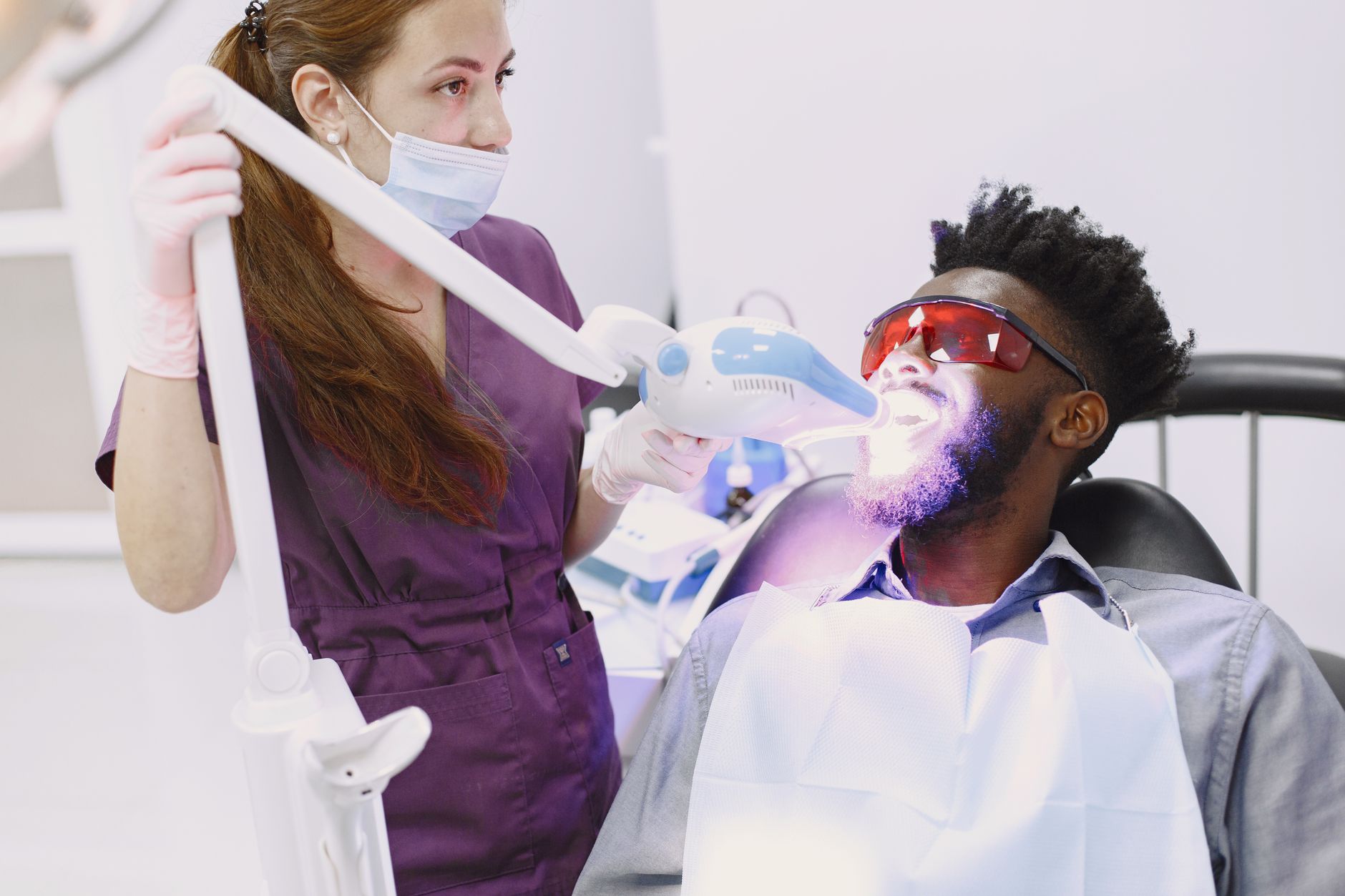
The gold standard of teeth whitening, hands down. Professional in-office treatments use high-concentration bleaching agents (15-35% hydrogen peroxide) combined with protective measures for your gums and enamel.
In a single 60-90 minute session, patients often achieve 6-10 shade improvements. The treatment is carefully monitored to minimize sensitivity while maximizing results. For Overland Park residents preparing for weddings, job interviews, or special events, nothing beats the immediate dramatic results of professional whitening.
What Affects Whitening Success?
Not all stains respond equally to whitening treatments. Understanding your stain type helps predict success rates:
Love these tips?
Make Love to Smile a Preferred Source on Google
Tap the button below and select Love to Smile so our latest dental health articles show up first in your Google search results.